Skip to content
Hunting Boro

The ground

Explore Our Hunting Area

Our hunting ground lies on the highlands of Glamoč in western Bosnia and Herzegovina — a mix of open karst plateau, dense conifer forest, and quiet pasture.

Loading map…

Locations on the map

The same points as a list, for reading without the map.

  • Main meeting point

    Where guests are met at the start of a visit. The exact spot is confirmed with you beforehand.

    Open in Google Maps
  • Hunting lodge

    The club's base — where the day starts and ends, and where meals are shared.

    Open in Google Maps
  • Scenic viewpoint

    A high point looking out over the plateau — the best place to take in the whole ground at once.

    Open in Google Maps
  • Wildlife photography hide

    A hide overlooking a clearing where roe deer come out to feed in the evening.

    Open in Google Maps
  • Old conifer forest

    Mature spruce and fir. Capercaillie country, and where the bears spend most of their time.

    Open in Google Maps
  • Open karst field

    Grazing and meadow on thin limestone soil — roe deer, hare and quail ground.

    Open in Google Maps
  • Water source

    One of the watering points the club maintains. Water is scarce on karst, so game concentrates here.

    Open in Google Maps
  • Parking and arrival

    Where vehicles are left before going into the field. Reachable by car in normal conditions.

    Open in Google Maps

The ground

One Boundary, Walked for Generations

Scroll, and the line our members walk every season draws itself: the full outline of the Hunting Boro ground, north to south, closing into one piece.

Old conifer forestScenic viewpointWildlife photography hideWater sourceMain meeting pointParking and arrivalHunting lodgeOpen karst field
North

The ground, complete

14,351
hectares enclosed
18 km
across, east to west
8
points on the ground
Explore it on the map

Good to know

About the ground

Total area
Approximately 14,300 ha
Terrain
Karst plateau, beech and conifer forest, open pasture and meadow
Altitude
Roughly 900 – 1,500 m above sea level
Main species
Brown bear, wolf, roe deer, capercaillie, wild boar, fox, hare, quail
Best time to visit
Spring through late autumn for most experiences; winter for driven hunts
Meeting point
Arranged individually when your visit is confirmed
Getting there
Nearest airports are Split and Sarajevo, both around three hours by road. Transfers can be arranged.
What to bring
Sturdy boots, layered weatherproof clothing, binoculars, and your own optics if you prefer them

The animals

Wildlife

The ground supports a wide range of species, from red-listed big game to small game on the open plateau.

  • Brown bear

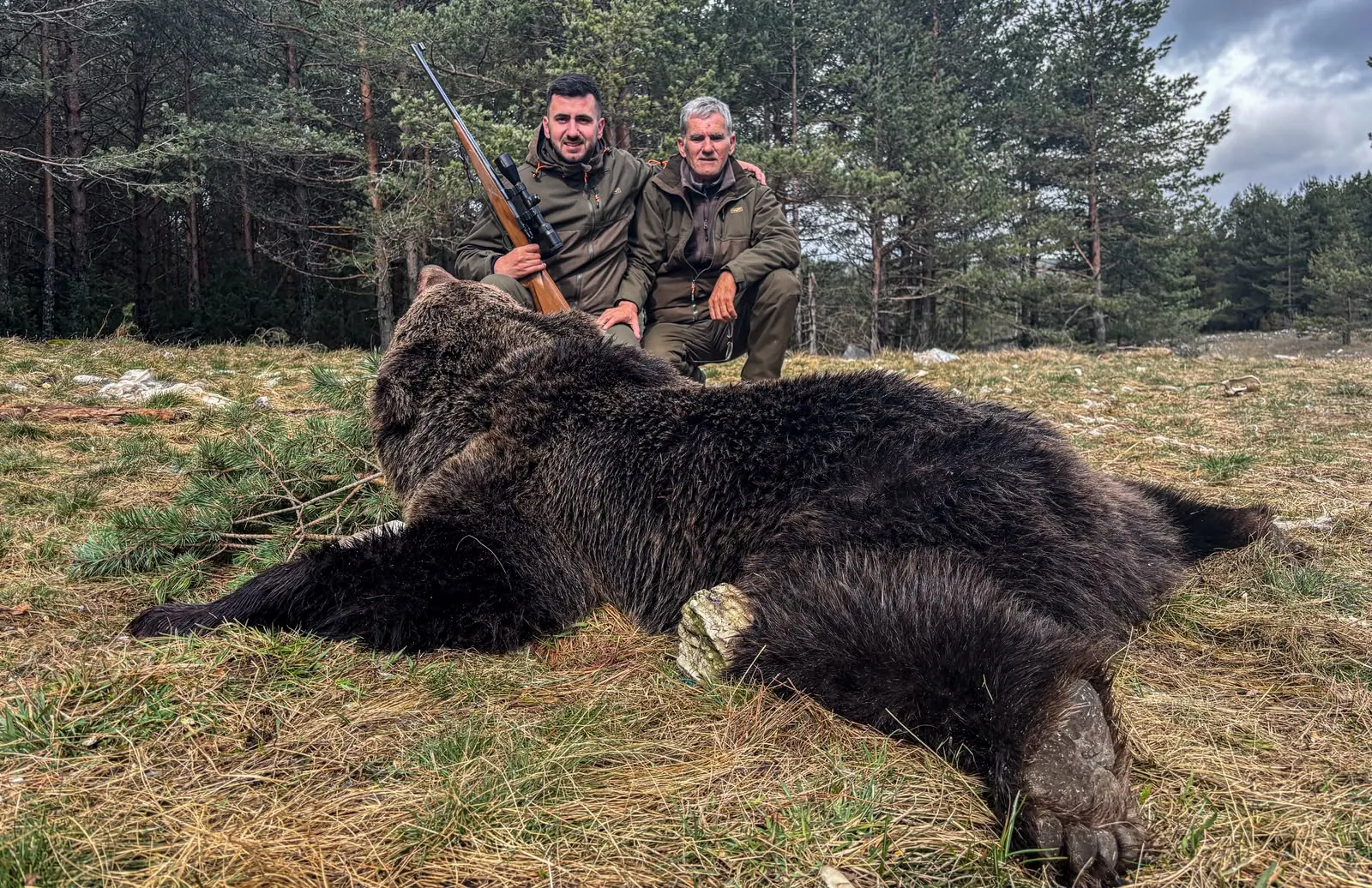
    Brown bear

    Ursus arctos

    The largest animal on our ground, and the one that asks most of a hunter. Bears here range widely across the forested slopes and are approached only with a guide who knows their movements.

    Habitat
    Dense beech and conifer forest, remote slopes
    When to see it
    Active from spring through autumn
    Suitable for photography
    Suitable for photography
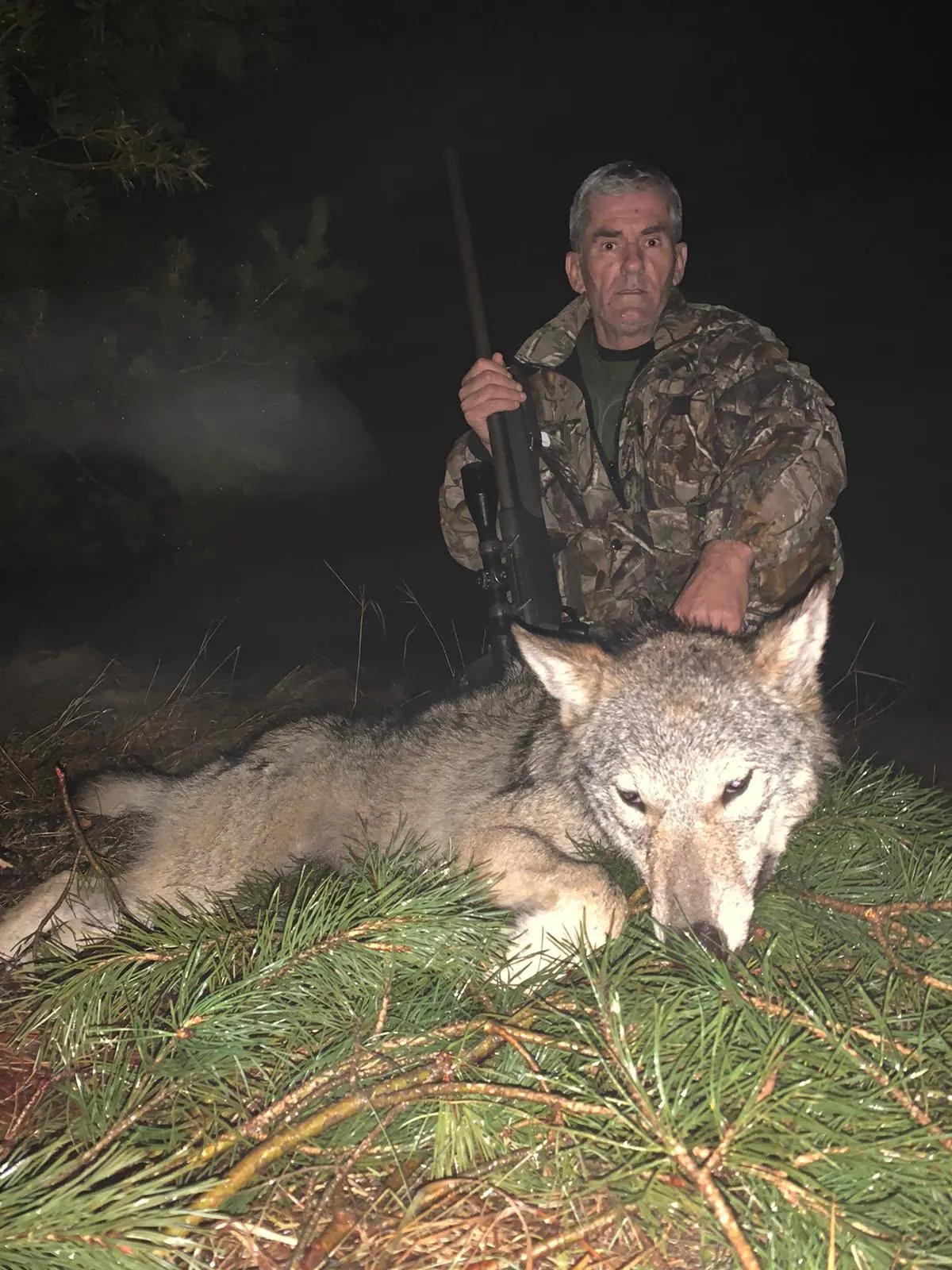
  • Wolf

    Wolf

    Canis lupus

    The animal on our emblem. Wolves work these mountains in packs and are rarely seen by chance — most encounters come at dusk or in snow, after long, patient waiting.

    Habitat
    Forest edge, high pasture, open karst in winter
    When to see it
    Most often encountered in late autumn and winter
    Suitable for photography
    Suitable for photography
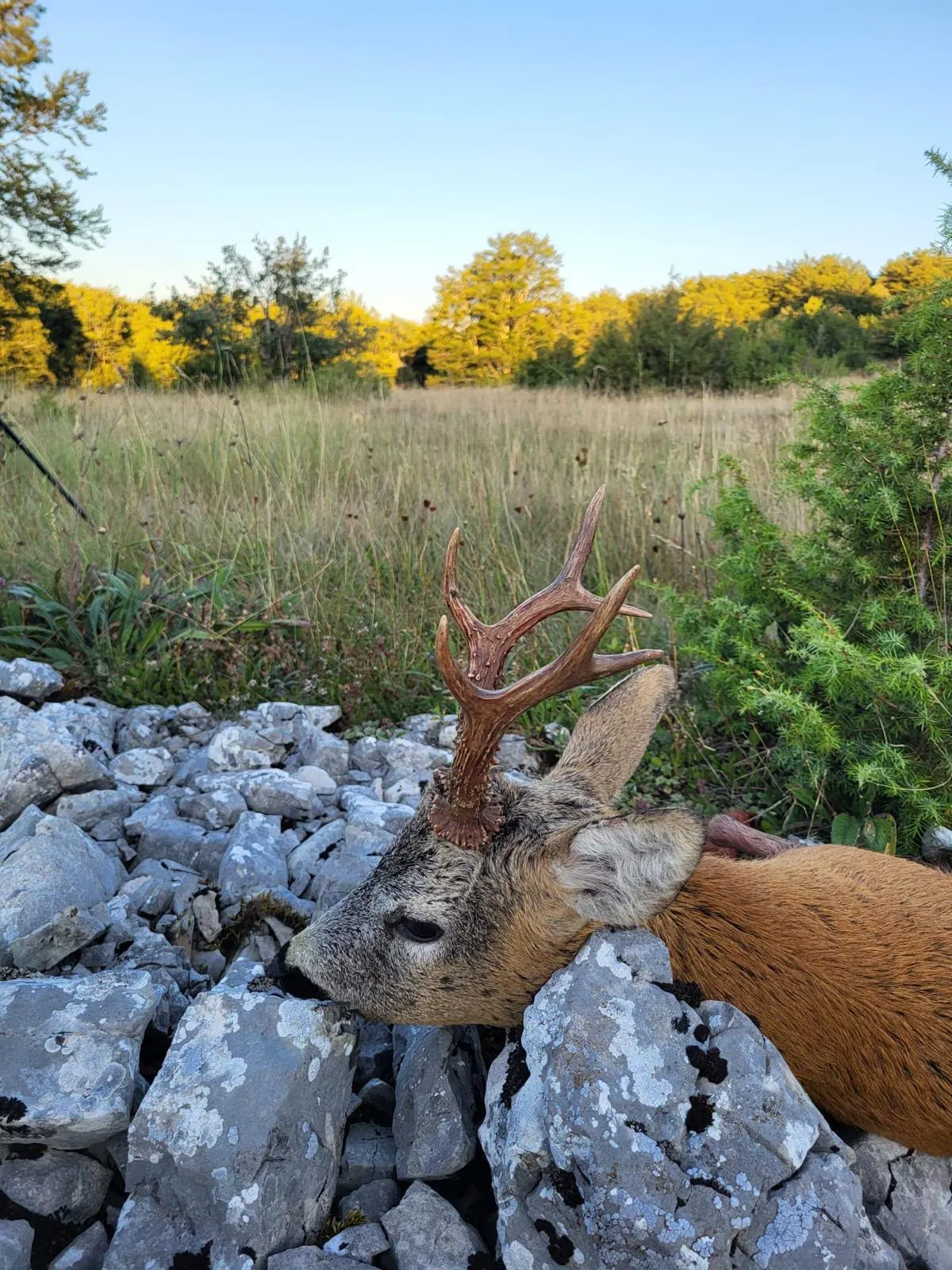
  • Roe deer

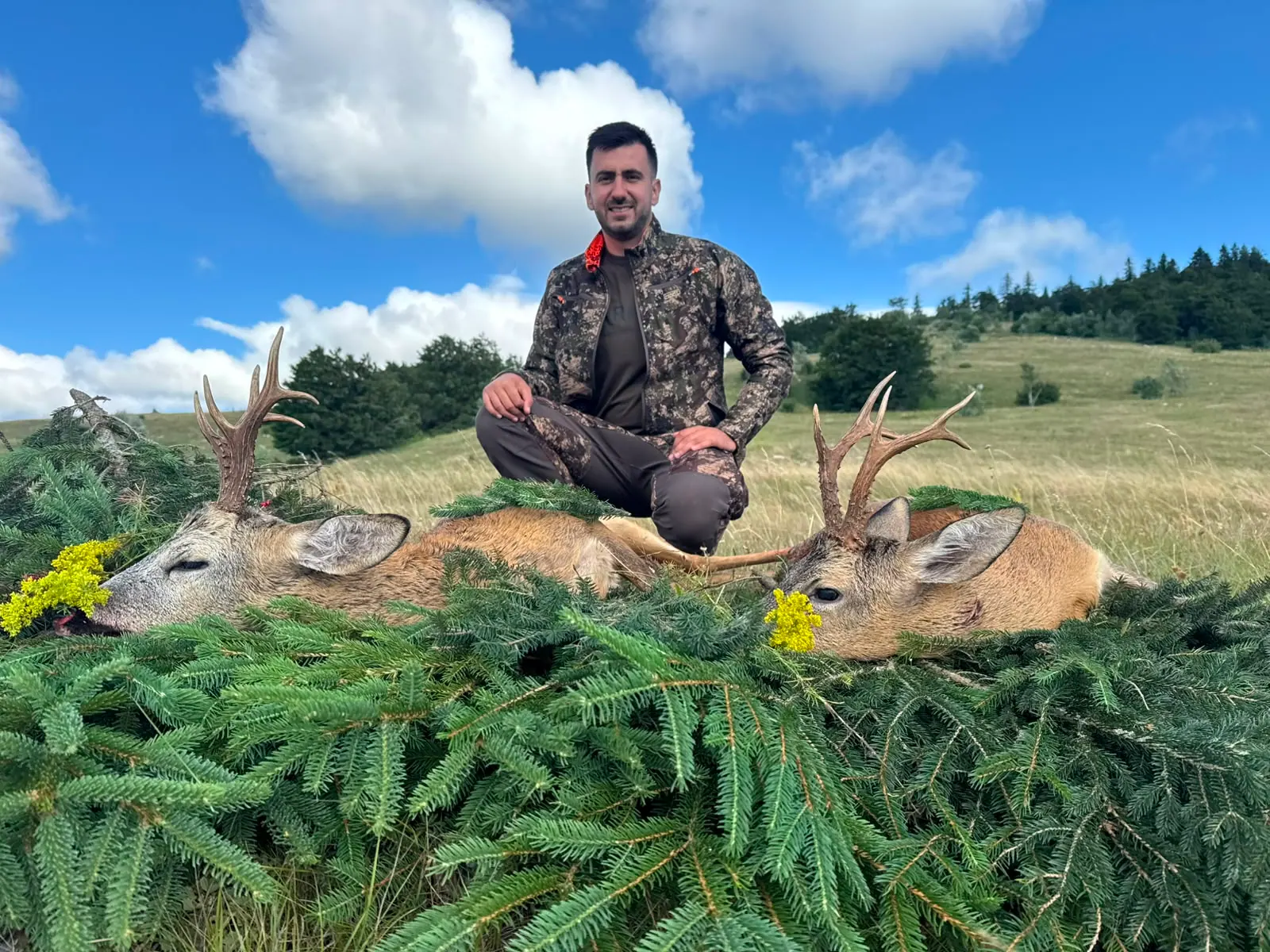
    Roe deer

    Capreolus capreolus

    The most numerous game on our ground and the species most guests come for. The bucks here carry good heads, helped by the mineral-rich karst grazing.

    Habitat
    Meadow, forest edge, open karst plateau
    When to see it
    Seen year-round; bucks most visible in spring and summer
    Suitable for photography
    Suitable for photography
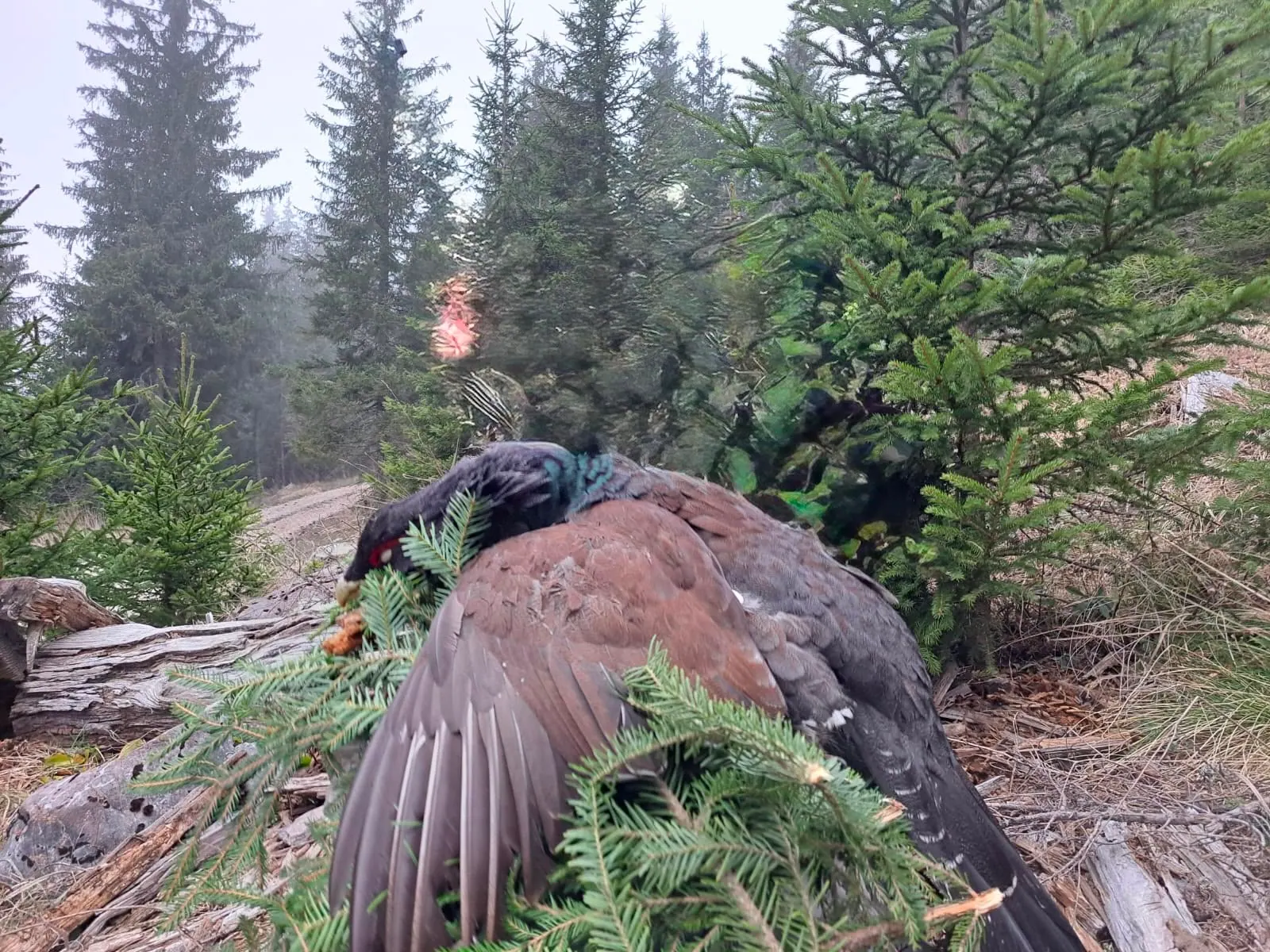
  • Capercaillie

    Capercaillie

    Tetrao urogallus

    A bird of the old conifer forest, and the most demanding quarry we have. Reaching a lek means being in the forest well before first light, in silence.

    Habitat
    Old spruce and fir stands with clearings and bilberry
    When to see it
    Displays at dawn in spring
    Suitable for photography
    Suitable for photography
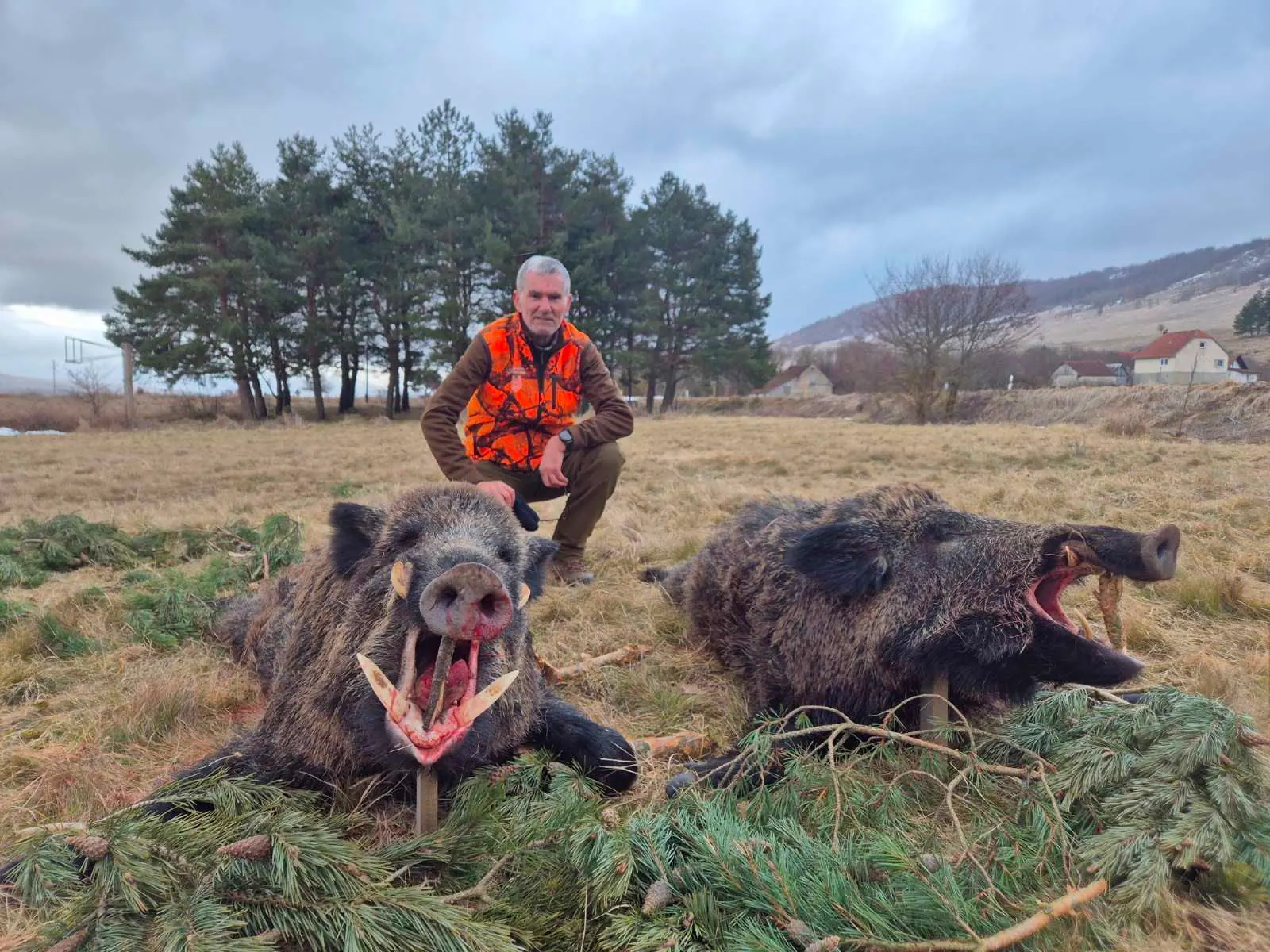
  • Wild boar

    Wild boar

    Sus scrofa

    Hunted here mainly on driven hunts with hounds through the winter — a social day in the field, and the one our members look forward to most.

    Habitat
    Thickets, forest, field margins and wallows
    When to see it
    Driven hunts in the winter months
  • Photograph coming soon

    Red fox

    Vulpes vulpes

    Present across the whole ground, from the forest to the edges of the villages. Often taken alongside other small game in winter.

    Habitat
    Everywhere — forest, pasture, village edges
    When to see it
    Most active on winter nights
    Suitable for photography
    Suitable for photography
  • Photograph coming soon

    Brown hare

    Lepus europaeus

    Small game of the open plateau, hunted in the traditional way on foot across the karst fields.

    Habitat
    Open fields, pasture and scrub
    When to see it
    Autumn and early winter
    Suitable for photography
    Suitable for photography
  • Photograph coming soon

    Common quail

    Coturnix coturnix

    A migratory bird of the meadows, hunted over pointing dogs in the late summer grass.

    Habitat
    Hay meadows and grassland
    When to see it
    On passage in late summer

All hunting activities are organized in accordance with applicable regulations, seasons, permits, and wildlife-management plans.

Plan Your Next Outdoor Experience

Whether you are looking for an organized hunting trip, a wildlife photography session, or an authentic experience in nature, Hunting Boro can prepare a program suited to your interests.